
Adding a new dog to the family can be a fun and enriching experience, particularly for families with children. This is a special occasion. The children may be excited to meet the new dog, but the dog may be stressed. With a few tips, you can ease the transition.
Here’s how to introduce a new dog to your children:
Preparation Steps
Prepare before bringing the dog home. Set up a quiet space for the dog with a bed, toys, and water. This space allows the dog to rest and get used to the new environment without distraction from inquisitive kids.
Explain to your children about the dog’s needs. Talk about how to allow the dog time to adjust. Teach kindness, such as a gentle hand to the dog. Rules provide guidance on how to act nicely.
Prepare your children for the dog. Allow them to choose things such as a bed, a soft toy, or food. It will be more fun for them and teach them responsibility.
The First Meeting
The first meeting is important. Have it at a peaceful time and for a short duration. Have the dog come into the room, where your children are waiting. This will help the dog feel calmer.
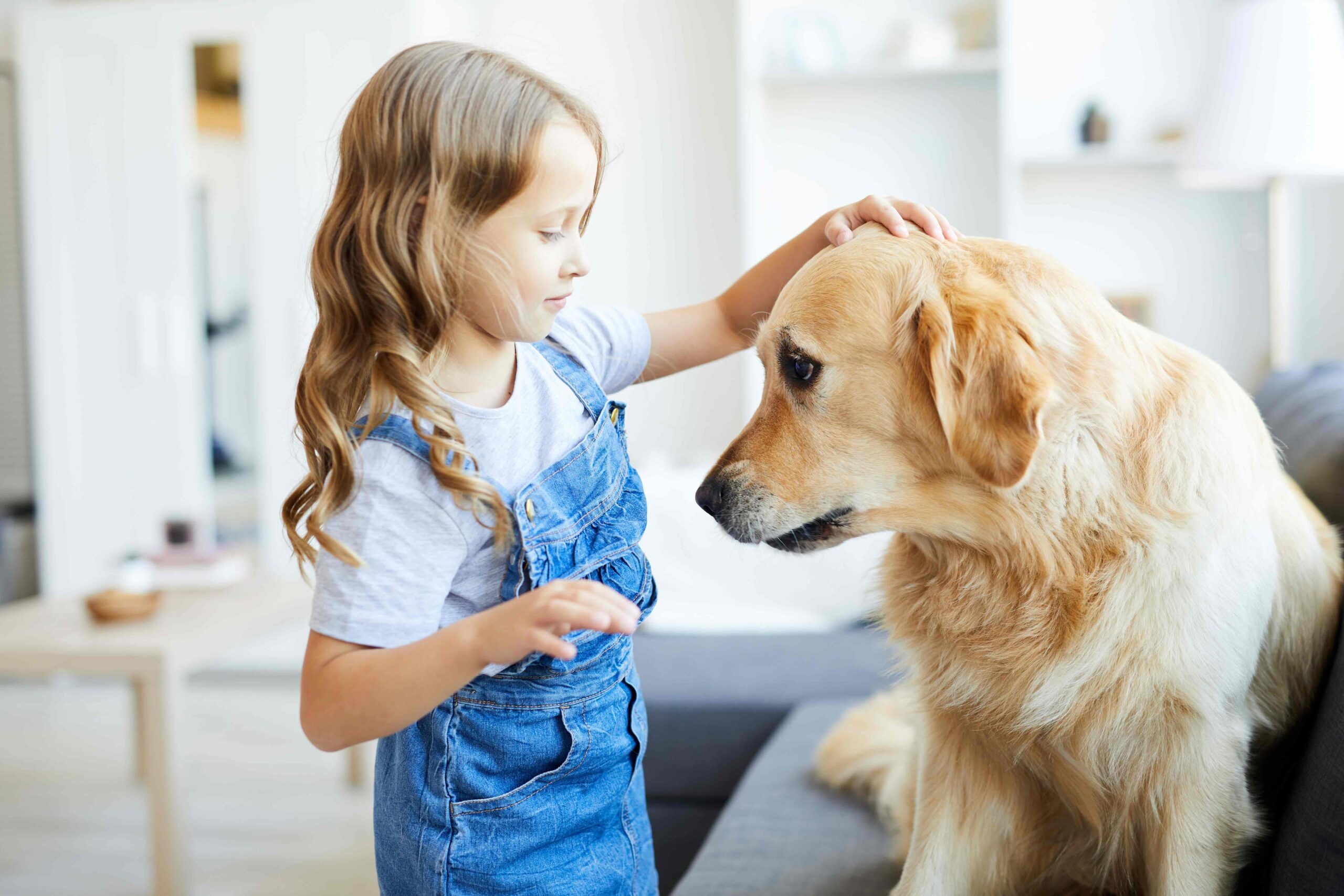
As the dog enters, your children should sit on the floor. This makes them less intimidating. Let the dog come near them. The kids can provide treats if they feel comfortable.
Keep an eye on the first meeting. Watch for the dog or kids to get stressed. If the dog is nervous, leave it alone. If the kids are hyper, distract them with some quiet time. Feeling safe helps build trust.
Routine and Responsibilities
A routine is good for the kids and the dog. Dogs thrive on routine, so this will help your family. Make a basic schedule for feeding, walking, and play. Let the kids help to foster team effort.
Use nutritious Open Farm dog food. Allow them to assist with feeding the dog. They can learn about food portions, making feeding time fun.
Kids can measure out food or put out the dog’s bowl. This builds their responsibility and sense of accomplishment in helping their new pet.
Safety Measures
Safety is important for all parties. Show your children how to interpret the dog’s body language. These include a lowered tail and flattened ears. Recognising the signals helps children be empathetic.
Establish rules for interacting with the dog. Small children need to be gentle and avoid disturbing the dog while it is sleeping and eating. Encourage them to give the dog space.
Create calm zones for the dog. There should be a place where it can go when it needs to. Train kids to respect this boundary, and everyone can be safe.
Bonding Time
Once your dog has met the children and the house rules are in place, it’s time for bonding time. Playing together is a good bonding time for the dog and the kids. Playing fetch, tug-of-war, and even some basic training can be a group activity.
Training can also be a learning experience for the dog, while giving the kids a chance to participate. Children can help practice sit and stay, which allows them to communicate with the dog. Small accomplishments, such as the dog obeying a command, improve morale.
Take time to do these things as they build bonds. The activities strengthen the bond between the children and the dog. Playing fetch and seeing joy creates a positive environment in the home.
Health and Wellness
Your new dog’s health is key to a good life together. Take your dog for regular vaccinations, check-ups, and health care. Explain to your kids why it’s important and take them with you. This teaches them responsibility and the need to keep their pet healthy.
Exercise is also crucial for dogs and kids. Schedule regular walks or play time to help your dog stay healthy and active, and for your children to burn off some energy. This will also build your relationship and create memories.
Positive Environment
Make sure your home environment is positive for everyone in the family, including the dog. Talk to your children about being quiet and avoiding loud noises that may frighten the new dog. Provide a comfortable place for the dog to rest with soft bedding and familiar scents.
Provide emotional support. Help your children understand the dog’s body language for needing time away. Creating a peaceful environment makes everyone feel safe and at ease, and fosters a loving relationship.