
A comfortable home depends on more than attractive design and quality furniture. Heating plays a major role in creating a pleasant living environment, especially during colder months. Homeowners today seek heating solutions that provide consistent warmth and improve energy efficiency.
Among the most popular options available, floor heating systems have gained attention for their ability to distribute heat evenly while reducing many of the drawbacks associated with traditional heating methods. While choosing the right system is important, selecting the right provider is also essential.
The following tips can help homeowners identify a qualified professional capable of delivering long-term value and dependable performance. Read on.
Choose a Provider With Proven Industry Experience
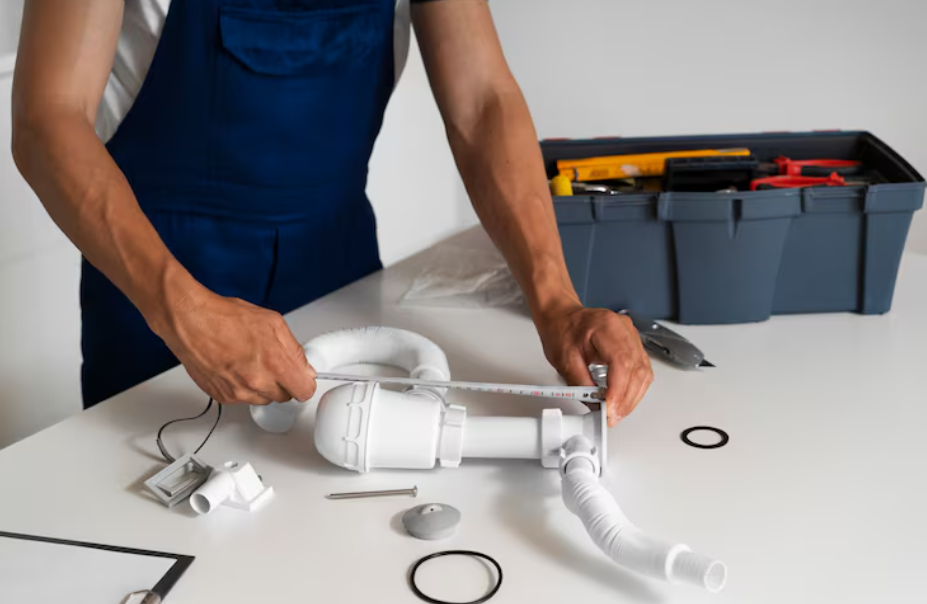
Experience remains one of the strongest indicators of reliability in any construction or home improvement project. In floor heating systems involve technical design considerations, precise installation procedures, and careful coordination with flooring materials.
Providers who have worked in the field are better prepared to handle challenges that may arise during the project. Companies with years of experience have encountered a wide range of property designs, flooring types, and heating requirements.
This knowledge allows them to identify potential issues before installation begins and develop effective solutions that prevent costly mistakes. Experienced providers also understand how different heating technologies perform in various environments.
Verify Licensing and Insurance
Technical qualifications play an important role when selecting a heating system provider. Proper licensing, industry certifications, and insurance coverage help demonstrate professionalism while protecting homeowners throughout the installation process.
Licensing requirements vary by region, but reputable contractors generally maintain all required credentials to perform heating and flooring-related work. Licensing indicates that the provider meets established standards and operates within applicable regulations.
Insurance coverage is also important. Installation projects involve various risks, including accidental property damage and workplace injuries. A properly insured contractor helps protect homeowners from potential financial liability if unexpected incidents occur during the project.
Evaluate Product Quality and Installation Methods
Not all heating products deliver the same level of performance. Likewise, installation quality can significantly influence system efficiency, reliability, and lifespan. Choosing a provider requires evaluating both the products they offer and the methods they use during installation.
A trustworthy provider should explain the advantages and limitations of available options rather than promoting a single solution for every situation. Installation procedures deserve attention too. Even premium equipment may underperform if installed incorrectly.
Review Customer Feedback
Customer experiences provide valuable insight into a provider’s reliability, professionalism, and quality of work. While marketing materials may highlight strengths, reviews and project histories reveal how a company performs in real-world situations.
Online reviews can help homeowners identify patterns in customer satisfaction. Consistent praise regarding communication, punctuality, workmanship, and professionalism often indicates a dependable contractor. Likewise, recurring complaints may signal potential concerns.
Compare Warranties and Long-Term Service
The relationship with a heating system provider should not end when installation is complete. Ongoing support plays an important role in maintaining performance and protecting the homeowner’s investment.
A comprehensive warranty shows confidence in both products and workmanship. Reliable providers stand behind their installations and offer warranty coverage that addresses potential issues arising from equipment defects or installation errors.