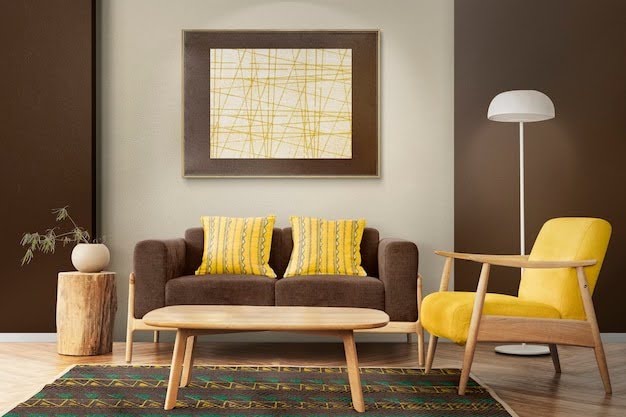

Choosing durable furniture is important for creating a living room that remains comfortable, attractive, and functional for years. The materials used in furniture can affect its strength, appearance, maintenance needs, and overall lifespan. When selecting new furniture, homeowners should consider their lifestyle, household needs, and interior design preferences. Understanding the qualities of different materials can make it easier to choose furniture that offers lasting value.
1. Solid Wood
Living room sets made from solid wood are known for their strength and timeless appearance. Materials such as oak, maple, walnut, and teak can withstand regular use when properly maintained. Wood furniture can also complement both traditional and modern interiors.
Although solid wood may cost more than some alternatives, its durability and ability to remain attractive over time make it a popular choice for homeowners seeking long-lasting furniture.
2. Genuine Leather
Leather is another material commonly used for durable sofas and chairs. Genuine leather can handle regular use while developing a distinctive appearance as it ages. It is also relatively easy to clean when maintained according to the manufacturer’s recommendations.
For households looking for furniture that combines comfort with a refined appearance, leather can be a practical option. However, quality and proper care are important for preserving its condition.
3. High-Quality Upholstery Fabric
Fabric remains a versatile choice for sofas, chairs, and other living room furniture. Durable upholstery fabrics, including tightly woven polyester and performance fabrics, can resist everyday wear and may be easier to maintain than delicate materials.
Families with children or pets can look for stain-resistant and easy-clean options. Choosing a fabric with suitable durability ratings can help ensure that furniture remains comfortable and presentable with regular use.
4. Metal
Metal can provide excellent structural support in modern furniture designs. Steel and other strong metal materials are often used for table frames, chair bases, shelving units, and decorative furniture components.
Metal is resistant to many forms of everyday wear and can complement contemporary or industrial interiors. When combined with wood, glass, or upholstered materials, metal can create furniture that is both sturdy and visually appealing.
5. Engineered Wood
Engineered wood can be a practical alternative to solid wood for homeowners working with a moderate budget. Materials such as plywood and medium-density fiberboard can be used in cabinets, entertainment units, tables, and other furniture pieces.
The durability of engineered wood depends on its construction and quality. Choosing well-made products with strong finishes and properly sealed surfaces can help them withstand regular household use.
Final Thoughts
The best material for furniture depends on how the living room is used and what qualities matter most to the household. Solid wood and leather offer durability and timeless appeal, while performance fabrics, metal, engineered wood, and tempered glass provide useful alternatives for different needs. Carefully selected living room sets can combine these materials to create a comfortable and attractive space. By considering material quality, construction, maintenance, and daily use, homeowners can make a furniture choice that provides lasting value.