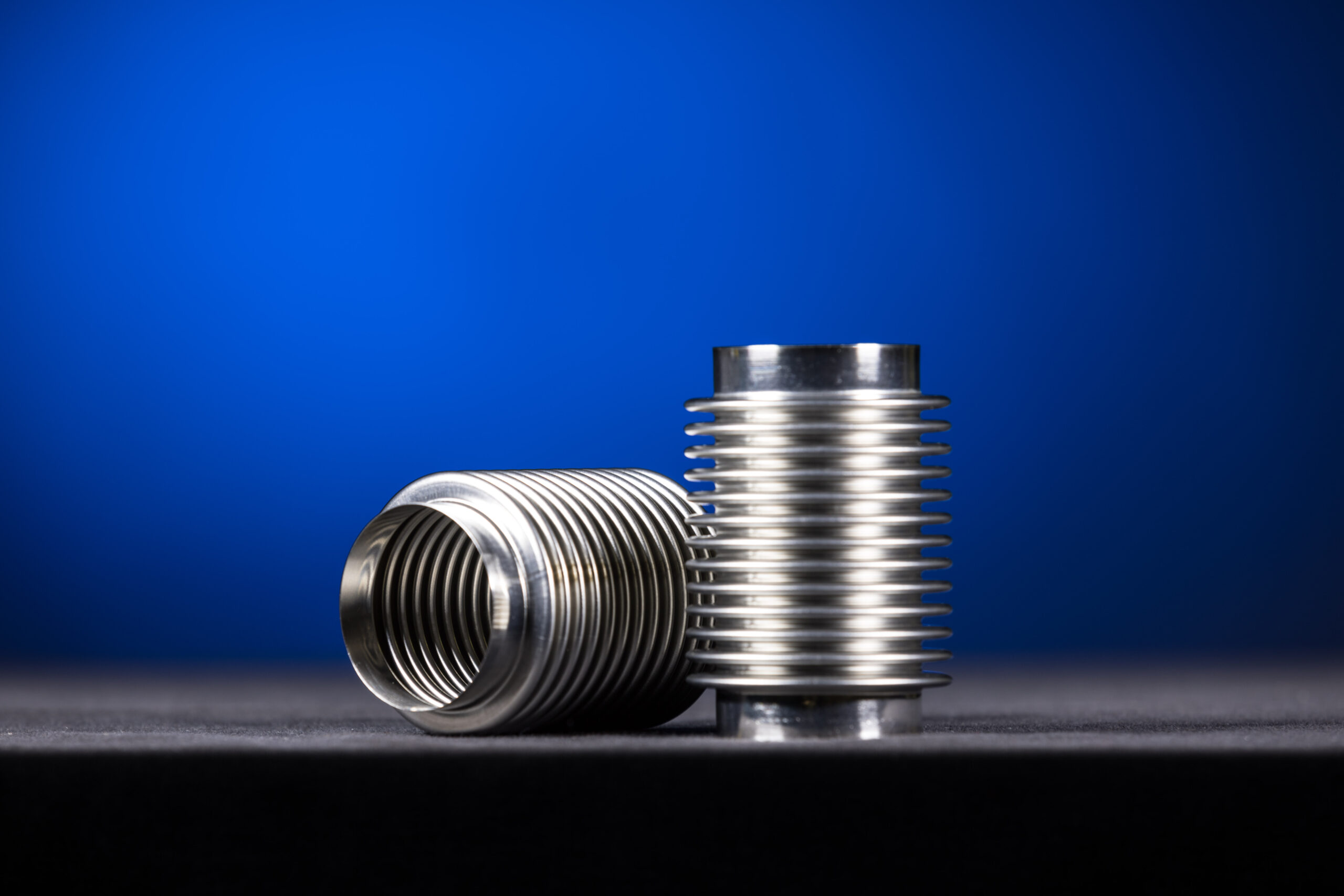

Choosing the right manufacturing partner can feel small, but it can have a huge impact—especially if your business depends on high-quality bellows for industrial use. You see bellows show up everywhere: aerospace, automotive, oil and gas, medical devices, power generation and manufacturing, not to mention a few less obvious places too.
They’re there to absorb motion, reduce vibration, handle thermal expansion without drama, and keep key components protected. If you choose seasoned bellows manufacturers, you’re more likely to get the performance you actually need while keeping your day-to-day operations dependable.
Understand Your Industry Requirements
Before you select a manufacturer, you really should pin down what your application requires. Each field tends to want different bellows styles, depending on how the system runs, pressure concerns, temperature ranges, and the environment around it. So for example, bellows that end up in chemical processing may need corrosion-resistant materials, while aerospace work usually calls for lightweight designs and really tight dimensional control.
When your performance requirements are clear and documented, it becomes easier to narrow your search, and it also helps confirm that the manufacturer can supply parts that fit your exact use case.
Evaluate the Experience and Experties
Experience is maybe the most useful thing to compare when you’re looking at bellows manufacturers. Firms with years of engineering know-how usually understand complicated build needs and proven manufacturing methods. They also often have a track record across multiple industries, including making both regular, off-the-shelf bellows and custom-engineered bellows.
Checking a manufacturer’s history, past work, and specialty areas gives you a better sense of whether they can deliver what you’re asking for, and not just on paper, but in real production.
Assess Manufacturing Capabilities
Not all manufacturers have the same production abilities, and honestly it can get a bit confusing because some lean mostly into standard items while others go for fully customized solutions for very specific use cases. So it’s worth checking: do they really have the equipment, the tech, and the engineering skills required to build bellows that match your specs?
A supplier with advanced production facilities and newer manufacturing methods is usually in a stronger position to keep things consistent and to ship dependable products, without too much drama.
Focus on Product Quality
This part really should be the top priority. When the bellows are high quality, your equipment tends to run better, you get a longer service life, and maintenance costs can drop. Good manufacturers, the dependable ones, tend to use strict quality control steps across the entire production process, so each item meets the required standards.
When you’re comparing suppliers, ask directly about how they inspect parts, what testing procedures they use, and how they handle quality assurance. If they show a real commitment to quality, it usually means they actually care about delivering dependable products.
Consider Customization Options
Lots of industrial applications need bellows that fit unique operating conditions, not just the one-size-fits-most style. Partnering with manufacturers that can provide custom engineering services can help you get products that match your exact requirements.
That customization can cover things like exact dimensions, material choices, pressure ratings, or even specialized designs that boost performance inside your equipment. In short, a manufacturer that can deliver custom solutions can help you handle complicated engineering issues and improve the overall efficiency of your operations.