
The roof of your house silently shields all that is in it but people normally forget about it until the trouble sets in. Performing routine inspections of a residential roof is a way of assisting the homeowner to detect small problems before they develop into expensive structural problems.
It is important to know the frequency of inspections, which is determined by the climate, roofing material, age and the surrounding environment. Homeowners can maintain the performance of the roof and increase its lifespan by educating themselves on the suggested inspection schedules and red flags.
The Importance of Regular Roof Checks
A roof is always exposed to the sun, rain, wind, and changes in temperature. They weaken the materials, loosen the fasteners, and open the material, allowing moisture to enter, in the long run. Unless there are regular check-ups, the structural degeneration could be concealed until leaks or structural damage occur.
The process of inspection enables trained professionals to examine the entire roofing system, which includes shingles and flashing, drainage elements, ventilation and underlayment. Early identification of problems can save on the cost of repairs and the elimination of related problems like mold growth or insulation damage.
Frequent evaluations also aid in warranty compliance. Most roofing companies also demand regular checks and maintenance reports to maintain warranties. Failure to make inspections could result in claims being denied in the event of the occurrence of defects.
General Rule on Frequency of Roof Inspection
In the case of most houses, the professionals suggest that they should have a professional roof inspection at least once a year. Annual inspections give a regular maintenance program that is in line with the weather seasons. Nevertheless, this base can change under the influence of roofing conditions and external influences.
More frequent checks are beneficial to homes in areas with severe weather conditions or high exposure to debris. On the other hand, more recent roofs constructed of resilient materials might need to have fewer professional assessments during their initial years.
An inspection plan of a typical residential property will consist of:
- Normative maintenance once a year.
- Following extreme weather conditions.
- Prior to purchasing or selling a house.
At midlife or above the Roof
Such checkpoints assist in making sure that issues are resolved at the right time during the life of the roof.
Timing of Inspections based on the season.
The inspection effectiveness and repair planning depend on the time of the year. The appropriate season is determined to detect wear due to weather, and to get the roof ready to take on the new conditions.
Spring Inspections
Spring is an inspection season as it shows the damage caused by winter. Cracking or flashing separation is frequently due to snow load, freeze-thaw cycles, and ice accumulation. Repairing during spring is possible before the storms of summer hit.
Professionals seek raised roof shingles, water intrusion indicators, and sealants that could have been weakened during cold seasons. The solution to these problems is to avoid their further worsening in the summer.
Fall Inspections
Fall inspections are made ready against winter stress on the roofs. Drainage systems, seal-ups, and structural integrity check-ups will ensure that the roof is snow and water-free. Removing debris before winter also lowers the risk of ice dams.
The fall assessments are particularly necessary in areas with cold weather or high rates of snow. Completing the reinforcement of the weak areas before the low temperatures come in is a means of averting seasonal failures.
Post Storm Inspections
Even when there are no leaks that can be seen immediately, major storms may lead to sudden roof damage. Strong winds can cause loose shingles, hail can bruise surfaces, and impact debris can cause fractured materials. Setting up an inspection following an extreme weather condition is to make sure that concealed harm is determined early.
Insurance also records damage done as a result of storm-related inspections. Early leakages will avoid delayed leaks, which could be experienced after weeks or months.
Roof Age and Frequency of Inspection
The age of a roof is also a big determinant of the frequency of inspection. Deterioration increases, and inspections ought to be more frequent as the materials reach the end of their service life.
New Roofs Less than 5 Years old
New roofs do not normally need much inspection other than those conducted once a year. The difference is that materials are not hardened, and there are protective layers. The checks to be made at this stage are primarily to ensure quality and compliance with warranty on installations.
New roofs, however, should still be considered in case of extreme weather or in case of the problem of installation problems. Long-term performance is maintained by early corrections.
Midlife Roofs 5-15 Years
Mid-life roofs start to display some signs of wear, including loss of granules, sealant corrosion, and small areas of flashing corrosion. Monitoring the deterioration patterns is more crucial at this stage of inspections.
Annual inspections are still suitable, but visual inspection should also be taken into consideration by the homeowners, such as discoloration or the presence of debris. Small fixes made at this stage can greatly increase the general life span.
Roofs over 15 Years Old
The aging of roofs must be paid closer attention to since the materials become hard, crack, and can become inaccessible to water. When roofs are beyond fifteen to twenty years of age, or even more, depending on the type of material, the recommended number of inspections may be twice a year.
Regular inspections point to failing parts prior to extensive damage. Active maintenance at advanced life stages can help postpone complete replacement and avoid interior damage.
Effects of Roofing Material on Inspection Requirements
Various roofing materials wear out and degenerate at different rates. The frequency of inspection is to be used depending on the sensitivity and stability of the particular material being used.
Asphalt Shingles
Asphalt shingles are widespread, and they are prone to loss of granules, curling, and uplift in the wind. The usual inspection is done annually, and extra inspections are done following storms. The older asphalt roofs enjoy semiannual checkups because of the hastened wear.
Metal Roofing
Metal roofs are resistant to most environmental factors and durable. It may be adequate to carry out inspections every one or two years in the initial decades. Nevertheless, the fasteners, seams, and finishes still need to be inspected periodically to avoid corrosion or loosening.
Tile Roofing
Concrete or clay tiles can be durable for decades and are easily broken by hits. Cracks or any displaced tiles and underlayment should be observed during inspections. It is still best to have annual inspections, particularly where there is falling debris or pedestrian traffic.
Shingles or Shakes
The sensitivity to moisture and organic decay means that wood roofing needs to be monitored often. Annual or more frequent inspections are necessary, and there are extra inspections where humid climates exist. Rot or insect activities can be detected early on before spreading quickly.
Factors in the Environment which influence the Frequency of Inspection
The environment around the roof is a factor that affects the rate of deterioration. Inspections of homes that are exposed to some environmental stressors should be conducted with increased frequency.
Trees and Vegetation
Hanging trees shed leaves and debris that entrap moisture and allow mold to grow. The fall of limbs can cause damage to the roofing. Homes that are surrounded by trees may need to be inspected twice a year to make sure that they do not have debris that may lead to abrasion.
Areas of High Humidity or Coastal
Corrosion and material breakdown are hastened by salt air and constant moisture. The roofs in the coastal climates are favored to undergo semiannual checks to check the flashing, fasteners, and coatings.
Extreme Temperature Regions
Regions with extensive changes in temperature lead to extension and compression,n undermining roofing materials. Cracking is also favored by freeze-thaw cycles. Annual checks are a must, and there should be extra checks at the end of these seasons.
Heavy Storm Zones
Areas that are susceptible to hail, hurricanes, or strong winds incur regular mechanical damage. Even when you cannot see any leaks, post-storm inspections are very important. The repetitive effects can reduce inspection periods to a considerable extent.
Indicators That Immediate Inspection Is Required
In addition to routine checkups, there are some warning signs that indicate that a professional check is necessary. Neglecting these signs can enable the damage to occur quickly.
Homeowners are advised to have an inspection right away when they observe:
- Stains of water on walls or roofs.
- Missing or curled shingle.
- Sagging roof sections
- Excessive granules in gutters
- Accessible daylight in the attic.
These symptoms usually represent active or developing leaks, which must be repaired in time.
Advantages of Preventive Maintenance in comparison with Reactive Maintenance
A roof can be inspected only after observable leaks, and this tends to increase the expense and difficulty of repairs. Regular checkups have quantifiable benefits that safeguard the roof and inside areas.
Preventive measures include inspections that can detect minor defects like sealant cracks or flashing gaps, before water can enter the building. The cost of repairing these early needs is ery low in terms of materials and labor in comparison to repairing extensive moisture damage.
Drainage efficiency is also ensured by regular assessments. Clogged gutters and downspouts can cause water to pass under roof coverings, speeding up their decay. Checks make sure that water does not collect on the weak spots.
Lifespan extension is another benefit. Early repairs also lessen the cumulative damage and enable roofs to achieve or even surpass anticipated service life. This postpones expensive replacement and enhances the long-term property value.
Homeowner Checks vs. Professional Inspections
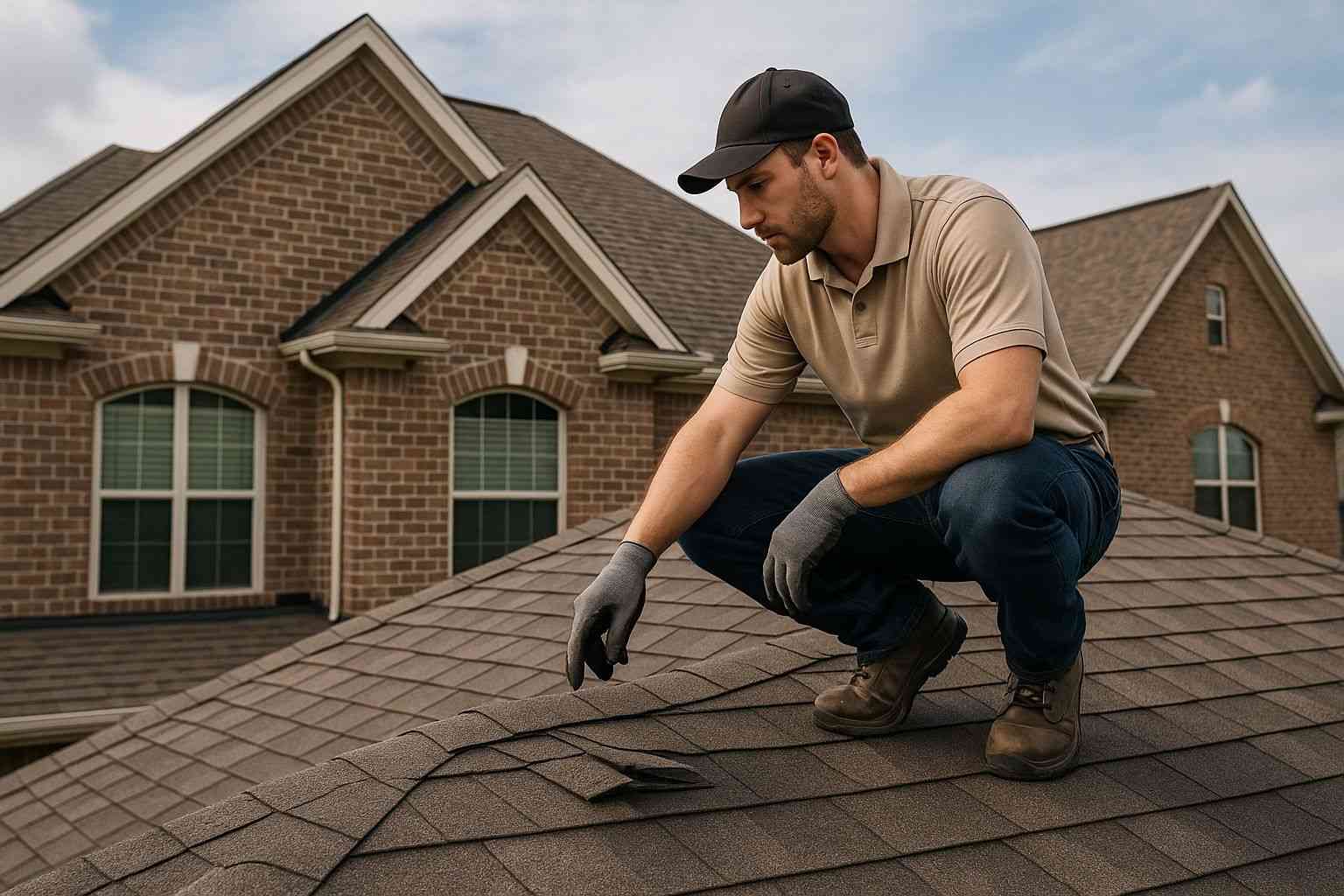
Homeowners may conduct simple visual inspections on ground level or on the attic; however, a professional inspection is still necessary. Trained inspectors identify the nuances of deterioration, and access to unsafe areas would not be available to untrained people.
Close inspection of flashing intersections, vent seals, ridge caps, and drainage parts is part of professional inspections. Structural alignment and performance of the ventilation are also tested by the inspectors, and this could be ignored by the homeowners.
In between scheduled inspections, homeowner observations remain in play. Observable alterations or littering can be used to identify the need to conduct a professional assessment earlier than intended.
Developing a Long-Term Roof Inspection Schedule
Developing a regular inspection schedule makes it easier to maintain and avoid supervision. The advantages of matching inspection schedules with roof age, weather, and seasonal conditions give an advantage to homeowners.
An effective long-term plan incorporates annual check-ups during most of the roof’s life, which should then be replaced by biannual maintenance on the materials with old age. The inclusion of post-major storm inspections would also make sure that any damage that is unexpected is not concealed.
Record keeping of inspections is also useful in monitoring deterioration. Documentation is helpful to aid warranty claims and make decisions on when to repair or replace.
The Role of Inspections in supporting property values and safety
A good roof is directly related to property health and confidence of resale. Customers will also demand inspection reports as a measure of structural integrity. Frequent checks show that we can maintain responsibility and decrease uncertainty in transactions.
Another important consideration is safety. Unreliable roof wear can cause structural weakness or even falling debris. Checks are made on load-bearing components to ensure that they are secure and resistant to weather.
Indoor health risk can also be caused by moisture intrusion as a result of roof failure, leading to mold growth. Leakage prevention helps in safeguarding the home’s air and living conditions.
Conclusion
The frequency of roof inspection is determined by various factors such as the age of the roof, the roof material, the environment, and the weather exposure. Older roofs and high-risk climates may require more frequent assessment, although annual inspections are a good standard. Check the post-storm and seasonal timing, also promote protection.
Regular inspection of residential roofs will guarantee timely wear and tear identification, maintain structural integrity, and increase the life of the roof. Knowing the suggested inspection times and the presence of warning signals, homeowners can have long-lasting roofs to keep their homes for decades.