
As the seasons change, so do the needs for your dog’s coat. Changes in humidity, temperature fluctuations, and the fluctuating levels of sunlight can affect the health of fur as well as shedding patterns and the state of skin. A thoughtful, specific approach to grooming and maintenance not just helps your pet look and feel their best, but it can also improve comfort and help prevent skin problems all year round. When you know the nature of your dog’s coat, and make your treatment plan in line with it, you’ll be able to make sure that each season is the healthiest and strongest coat they can get.
Understanding Your Pet’s Seasonal Coat Changes
Animals have evolved to grow as well as shed coats according to the environment. In colder seasons, an extra-thick undercoat holds warmth. In summer and spring, the majority of animals shed their excess fur to cool themselves. Breed or age, health status, and even conditions can affect the natural cycles.
For example, breeds with long hair can develop heavier coats in winter, while short-haired pets may experience less noticeable changes. Examining your pet’s patterns of shedding and skin appearance, as well as behaviors, like increased scratching or agitation, can help to spot any unusualities in the early stages and modify your grooming routine to ensure regular coat change.
Winter Coat Strategies
If temperatures drop, your pet is dependent on the winter coat to provide insulation. To keep the loft at its highest and trapping capacity:
- Cleanse regularly: Utilize a slicker, or undercoat rake, up to three times per week to get rid of loose hairs and avoid matting.
- Apply a moisturizer to the skin: The winter air is typically dry, resulting in dry, flaky skin. A moisturizing shampoo that is formulated using oatmeal or aloe can replenish moisture while not stripping the natural oils.
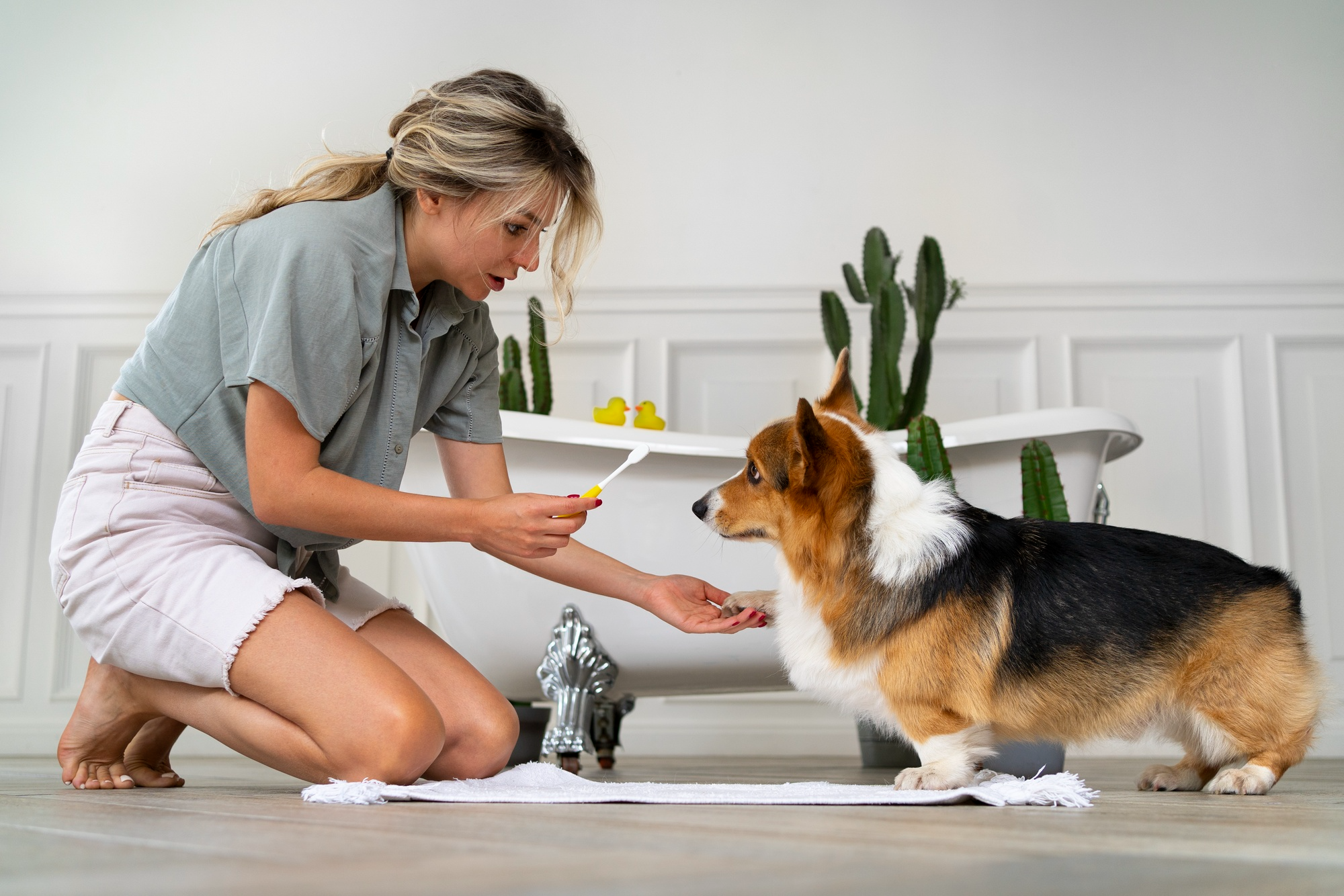
- Guard your fur and paws: Ice, snow, and deicing salts can irritate the paws and may stick to fur. Clean paws after walks and think about applying a pet-safe paw cream. A waterproof coat can protect your pet from winter’s harshest elements, while also preventing the soaking-through of fur that can chill your pet.
Addressing Spring and Summer Shedding
When the weather gets warmer, the majority of pets go through an intense shedding to remove their insulation undercoat. The process of managing this molt during the season prevents discomfort, helps reduce allergens, and also keeps your home hygienic:
- Increase frequency of brushing: Everyday grooming sessions with tools for de-shedding or the slicker brush help remove loose hairs prior to them get everywhere.
- Nutrition and hydration: Hydration is essential for healthy skin and fur. Choose a balanced diet that contains omega-3 fatty acids. They will improve coat condition and help reduce irritations that are common in the midst of heavy shedding.
- Gentle grooming practices that are cool: Avoid baths with hot water at high temperatures. Instead, you can use cool or lukewarm water for soothing the skin. After bathing, clean your hair thoroughly to stop the damp fur from absorbing heat.
Autumn Preparations and Maintenance
The fall season signals a transitional stage with patches of summer fur that are lighter, which could give way to new undercoat growth before winter. Careful attention in the fall can increase the coat’s condition for your pet:
- Gentle exfoliation: A gentle grooming mitt or a rubber curry comb will gently exfoliate dead cells, promoting circulation and encouraging healthier hair follicles.
- Trimming is balanced: For dogs with extremely long hair, a moderate trim will reduce tangles but not affect the ability to grow an undercoat that is full later.
- Health and weight check: The quality of your coat during the season can reflect the overall health of the person. Consultation with your vet to conduct a blood test and weight assessment could reveal hormonal or nutritional issues that may cause a poor coat.
Professional Support and Specialized Services
Sometimes your pet’s needs exceed home grooming. Professional groomers and special salons provide targeted treatments that could make a huge difference:
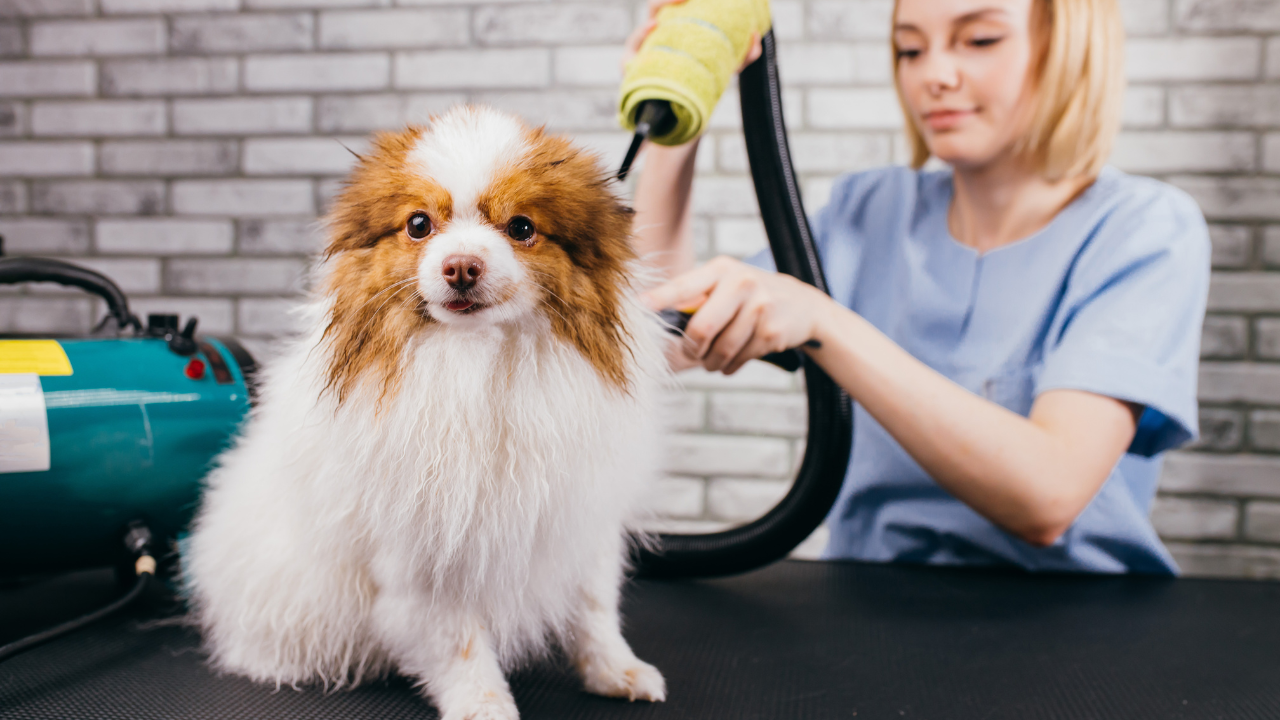
- Innovative grooming techniques: From deshedding sessions that are precise to treatments for deep conditioning, skilled experts can tackle the most difficult mats, excess undercoat, and sensitive skin conditions that are seasonal.
- Expert advice from a professional: A Seattle groomer will recommend specific products for breeds, styling tips, and maintenance intervals, which are in line with the local climate conditions, no matter if it’s the chilly cold in Pacific Northwest winters or summer heat waves.
Collaboration with a groomer who is qualified can ensure your pet’s grooming program is in line and is able to adapt to changing seasonal needs.
Conclusion
All year round, maintaining your coat is more than just a aesthetic pleasure; it’s essential to your pet’s overall well-being, and overall well-being. By being aware of the natural cycles of shedding, adapting grooming methods to the seasons, and seeking out professional guidance as needed, you’ll be able to create an extensive routine that keeps your pet’s coat shining, healthy, and ready for any change in the weather. If you take care of it consistently and pay attention to detail, you’ll delight in the simple pleasure of cuddling in a comfortable, clean, well-groomed coat, whatever the season.