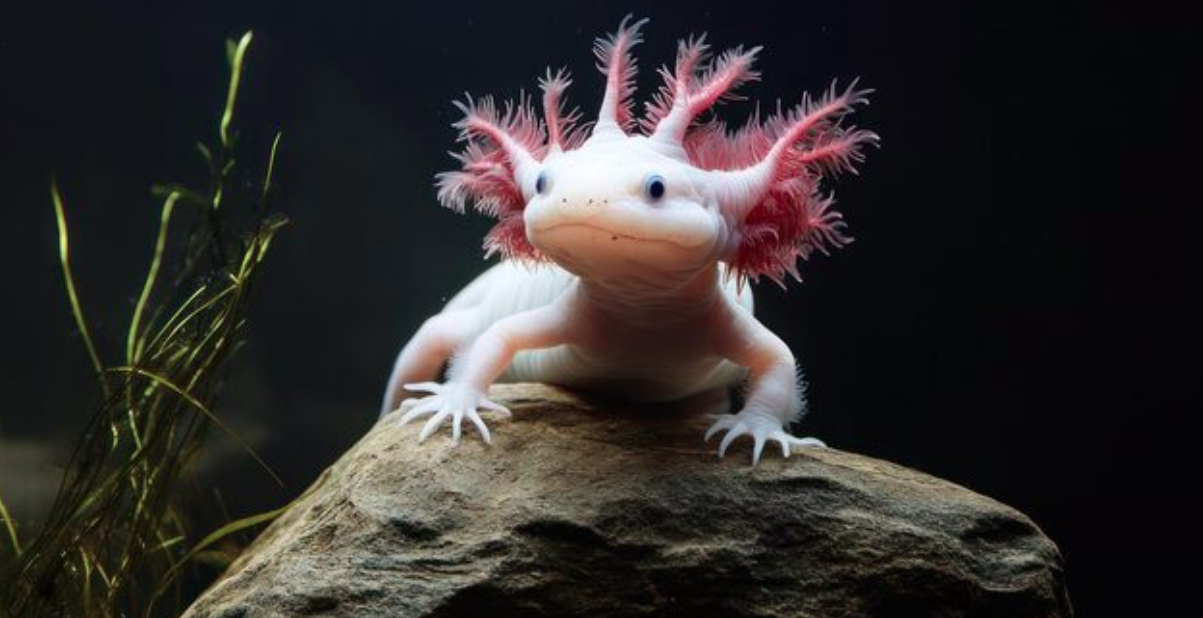

Providing proper care for an amphibian requires a deep understanding of their specific biological needs. Because these creatures are unique and sensitive, maintaining their health depends on your ability to replicate their natural environment with precision.
As a keeper, your primary goal is to ensure that your pet lives a long, stress-free life by focusing on water quality, nutrition, and environmental stability.
If you are dedicated to becoming a responsible owner, the following tips will help you create a thriving space for your aquatic companion and promote their healthy development over many years.
Establishing a Stable Aquatic Environment
The foundation of a healthy life for an axolotl is a well-cycled tank. Before you bring your pet home, you must ensure that the nitrogen cycle is fully established, meaning the water is free of ammonia and nitrite. These substances are toxic and can be fatal to amphibians.
Once the cycle is established, keep the tank clean with regular, partial water changes. Never use harsh chemicals or soaps to clean the tank decorations, as these residues can cause severe harm.
A stable environment prevents stress and allows your pet to focus its energy on growth rather than fighting illness.
Mastering Temperature Control for Comfort
These animals are strictly cold-water inhabitants. They prefer temperatures between sixteen and eighteen degrees Celsius. If the water becomes too warm, they become prone to metabolic disorders, lose their appetite, and their immune system weakens significantly.
During warmer months, you must use a water chiller to keep the temperature within the safe range. Avoid placing the tank in direct sunlight or near heat sources, as even minor temperature fluctuations can cause distress.
Consistent, cool water is essential for the healthy physiological function of every captive axolotl living in your care.
Maintaining Superior Water Chemistry
Water chemistry is arguably the most critical aspect of daily care. Chlorine and chloramines found in tap water are highly toxic to amphibians, so you must always use a high-quality water conditioner. Furthermore, keep the nitrate levels as low as possible through consistent maintenance.
You should invest in a reliable liquid test kit to monitor your tank weekly. If the chemistry balance shifts, your pet will show signs of stress, such as curled gill tips or erratic swimming. Clear, clean water is the best medicine for preventing common infections in your pet.
Providing a Nutritious and Balanced Diet
A healthy growth rate is directly tied to the quality of food you provide. They are carnivores that require high-protein diets to develop properly. Sinking pellets specifically designed for this species are an excellent staple, but they should be supplemented with live earthworms or frozen bloodworms.
Earthworms are the gold standard for nutrition because they provide essential vitamins and minerals. Avoid feeding them processed meats or foods with high fat content, as these can lead to digestive blockages. Feeding your pet a balanced, varied diet ensures they reach their full potential.
Creating a Stress-Free Living Space
Stress is a silent killer in the aquarium hobby. These creatures require a quiet space with minimal movement outside the tank. Furthermore, the tank bottom must be safe; use fine, soft sand or keep it bare to avoid the risk of intestinal impaction.
Never use small gravel, which they may accidentally swallow during feeding. Additionally, provide plenty of hiding spots and low-light areas where they can retreat when they feel overstimulated.
By reducing environmental stress, you allow your axolotl to feel secure, which encourages natural behavior and healthy physical development.