
Drains work quietly in the background of daily home life, making it easy to overlook the early warning signs that something is starting to go wrong beneath the surface. When drainage problems go unaddressed, what begins as a minor inconvenience can escalate into serious water damage, persistent foul odors, and extremely expensive repair projects. Recognizing the early indicators that drains need professional attention saves homeowners from far larger and more disruptive problems down the line.
Persistent Slow Draining Despite Regular Cleaning Attempts
A drain that moves slowly even after repeated attempts to clear it with a plunger or store-bought chemical cleaner signals a deeper problem developing within the pipe itself. Occasional slow draining often responds adequately to basic maintenance efforts, but persistent sluggishness that returns quickly after cleaning indicates a buildup that surface-level solutions simply cannot effectively reach. When slow draining becomes a recurring pattern, a professional inspection of the drainage system becomes the necessary and appropriate next step for resolution.
Foul Odors Rising From Drains
Unpleasant or foul smells rising consistently from drains are never something homeowners should dismiss or attempt to mask with air fresheners alone. Sewer gas odors indicate that something within the drainage system is trapping decomposing organic material, or that the water seal within a drain trap has dried out or structurally failed. In more serious cases, persistent strong odors can signal an actual crack or break somewhere in a sewer line running beneath the home. Proper drain unclogging performed by a qualified and licensed plumber addresses not only the visible blockage contributing to the smell but also identifies the underlying structural cause.
Multiple Fixtures Draining Slowly at the Same Time
When a single drain runs slowly, the problem is almost certainly localized to that specific individual fixture or the branch line serving it. When multiple drains throughout the home begin draining slowly at the same time, the problem almost certainly lies much deeper in the shared main drain line. This widespread simultaneous pattern strongly suggests a significant blockage or structural compromise in the main sewer line that cleaning individual fixtures will never resolve.
Water Backing Up Into Other Fixtures
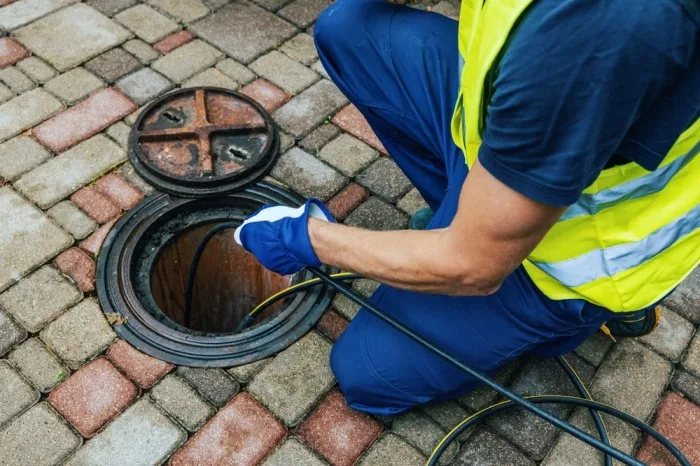
Water backing up into a bathtub when the toilet is flushed, or rising noticeably in a floor drain when the washing machine completes its drain cycle, represents one of the clearest and most urgent signs that the main drain line is seriously compromised. This phenomenon occurs when a severe blockage prevents water from flowing forward through the system, forcing it to reverse direction and emerge through the nearest available lower opening. A blocked drain repair in situations like these requires professional-grade equipment and genuine technical expertise to clear the obstruction safely.
Visible Water Damage or Mold Near Drain Areas
Water staining, warped or buckling flooring, or visible mold growth appearing near drains or beneath sinks indicates that water has been escaping the drainage system for an extended and undetected period. These visible signs point to either a cracked drain pipe, a failed pipe seal, or a persistent overflow condition that has been quietly causing damage without triggering obvious symptoms. Each of these conditions requires immediate professional attention.
Conclusion
Drainage warning signs represent the home’s way of communicating that something beneath the surface needs urgent attention and care. Responding promptly to slow drains, persistent odors, simultaneous multiple-fixture issues, and backups protects the property from significantly more expensive damage. Professional help engaged at the right moment makes all the difference between a straightforward minor fix and a major structural restoration project.